













Skip to content
Startup Wars

Modern, entrepreneurship-first business education

Business Simulations for Entrepreneurship Education

Give students a realistic startup to run—not another case study to read. Startup Wars combines current business scenarios, instructor-ready curriculum, and guided decision-making for high school, CTE, and college courses.

  • Entrepreneurship-first
  • Instructor-ready
  • Built to engage
Startup Wars presenter holding a laptop with the entrepreneurship simulation
Total Students
10k+
Institutions
100+

Created by experts, trusted by educators and leaders

Azle High School
Faith Christian School
Beaumont School
Amana Academy
Aledo ISD
Converse County School District
HAFTR
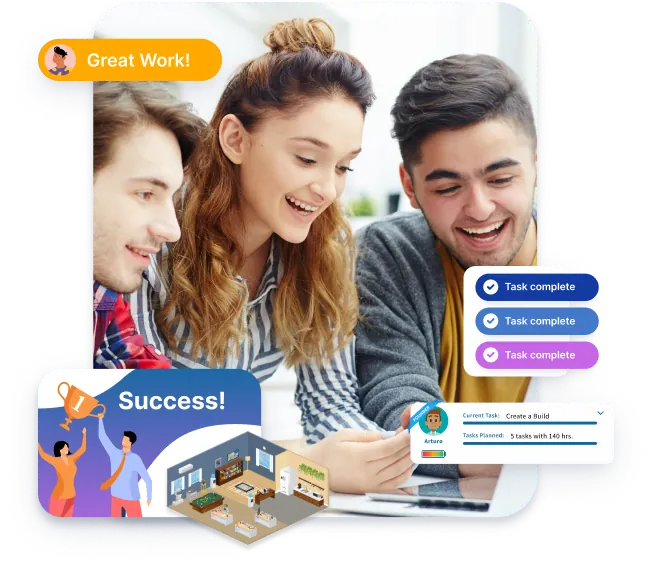
Students celebrating completed tasks in the Startup Wars entrepreneurship simulation
97%+Instructor satisfaction

Apply business theory

A startup simulation experience—without the risk

Learners think and act like founders: making strategic decisions, adapting to market shifts, and solving business challenges in a safe environment.

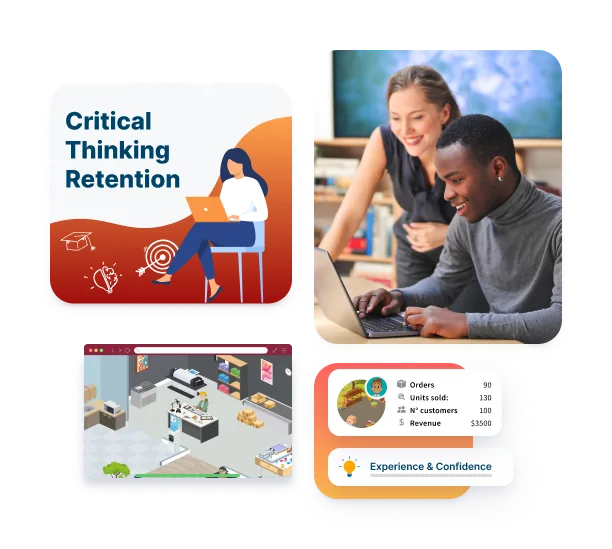
Strategy & critical thinking

Practice how to pivot, allocate resources, and forecast outcomes under pressure.

Gamified, immersive learning

Story-driven simulations keep learners engaged while teaching valuable concepts.

Browser-based access

Launch from any modern device with no classroom installs or complex IT setup.

Real-time feedback

Track student decisions, progress, and learning outcomes as they happen.

Challenge your decision-making skills

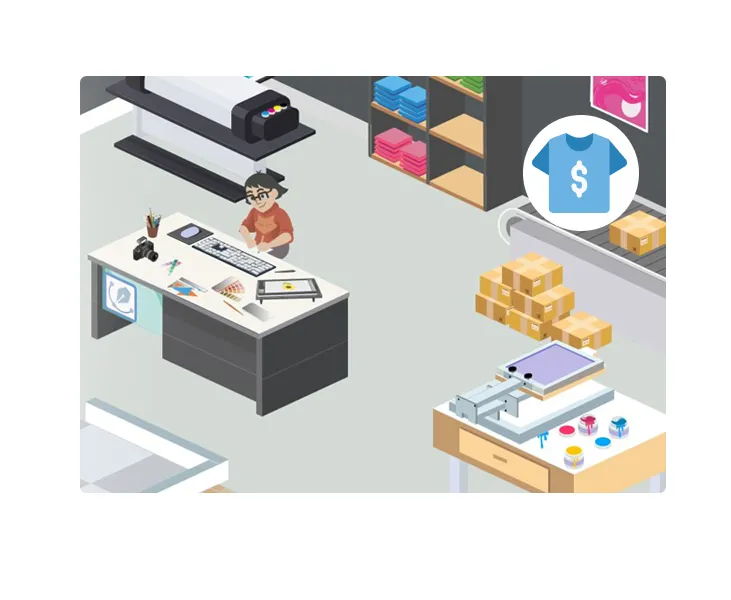
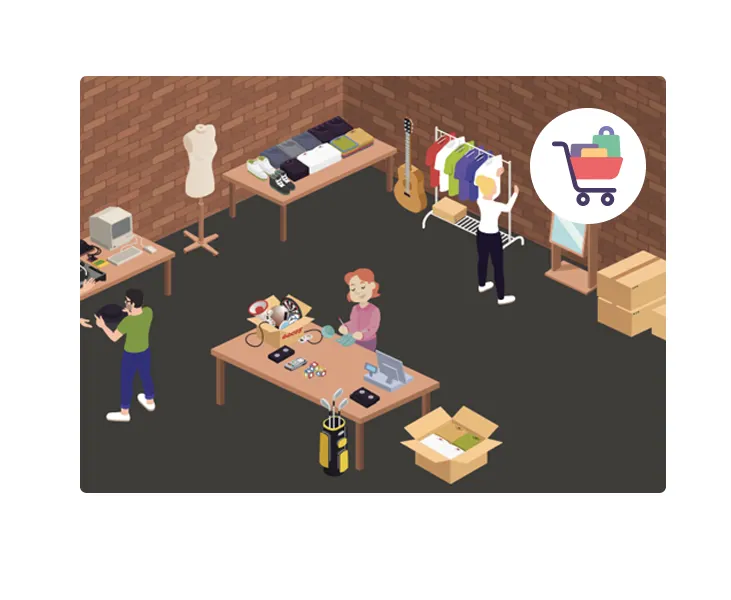
Explore industry-themed startup simulations

Launch a virtual business while practicing planning, budgeting, marketing, people management, and data-driven decision-making.

Explore all

Teach skills that transfer

Business skills gained from startup simulations

Every Startup Wars simulation develops the critical skills students need as founders, team leaders, and business professionals.

Launch and pivot like a founder

Adapt to shifting markets, customer feedback, and resource constraints.

Understand customer segments

Identify audiences, test messaging, and build product-market fit.

Manage cash flow and budgets

Allocate limited resources, forecast spending, and understand tradeoffs.

Build minimum viable products

Focus on iteration, speed to market, and customer validation.

Make data-driven decisions

Analyze performance, spot trends, and adjust strategies in real time.

Think critically and strategically

Strengthen leadership, ethical decision-making, and systems thinking.

Startup Wars business simulation features and skill-building tools

Built for modern classrooms

Experiential learning from high school through higher education

Flexible simulations, instructor tools, and browser-based access make Startup Wars practical across courses and programs.

For high schools

Business simulations for high school education and CTE programs

Bring business education to life with interactive startup simulations designed for CTE pathways, entrepreneurship tracks, marketing, economics, and career-readiness courses.

  • Curriculum-readyFits business, marketing, economics, entrepreneurship, and career-readiness classes.
  • Gamified engagementRealistic startup challenges keep learners focused and motivated.
  • Problem solvingStudents practice creativity, innovation, and resource management.
  • Easy accessBrowser-based delivery works across common school devices with no installs.
  • Hands-on confidenceStudents take ownership of decisions in a safe environment.
Explore high school business simulations
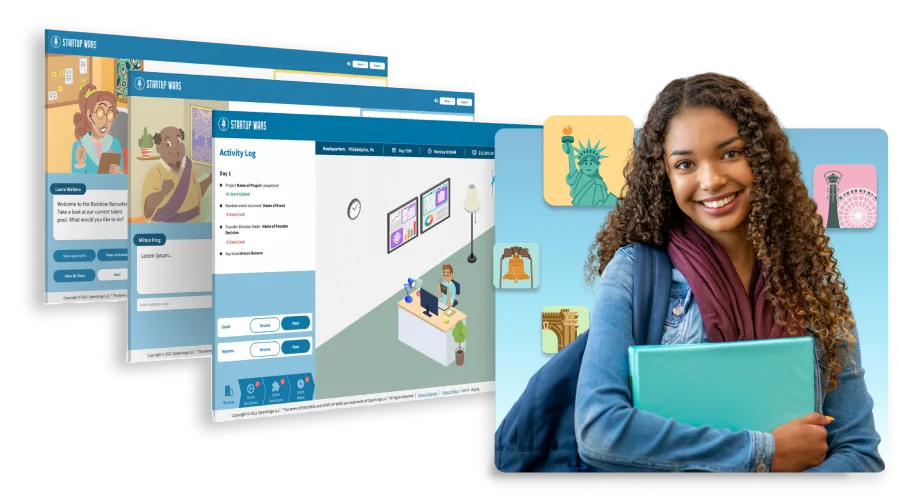
Student exploring Startup Wars entrepreneurship simulation screens

For colleges and universities

Transform business classrooms with applied decision-making

Give college students business simulations that mirror real startup challenges—ideal for entrepreneurship, innovation, management, marketing, and capstone courses.

  • Strategic thinkingStudents pivot, allocate resources, and operate in dynamic markets.
  • Founder experienceSimulations recreate challenges from ideation through growth.
  • Career-ready skillsBuild business acumen, cross-functional thinking, and leadership.
  • Assessment toolsTrack participation, progress, decisions, and learning outcomes.
  • Flexible deliveryRun in-person, hybrid, or fully online without software installs.
Explore college business simulations
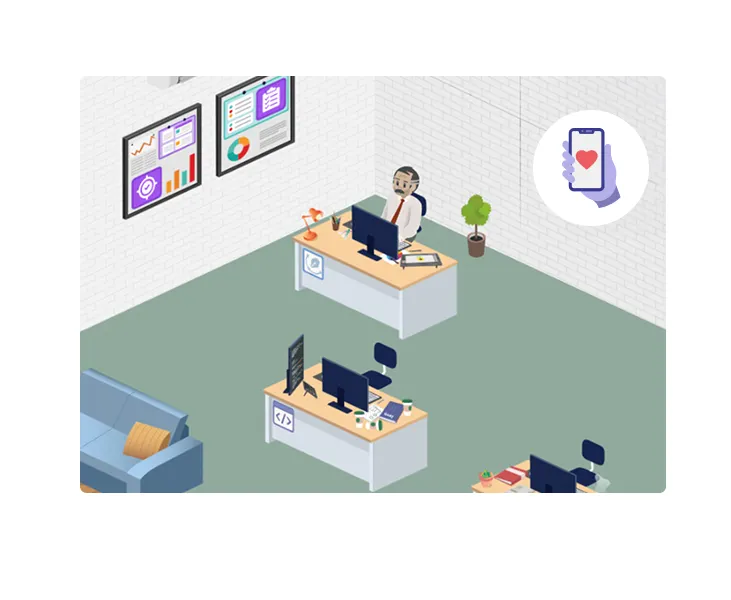
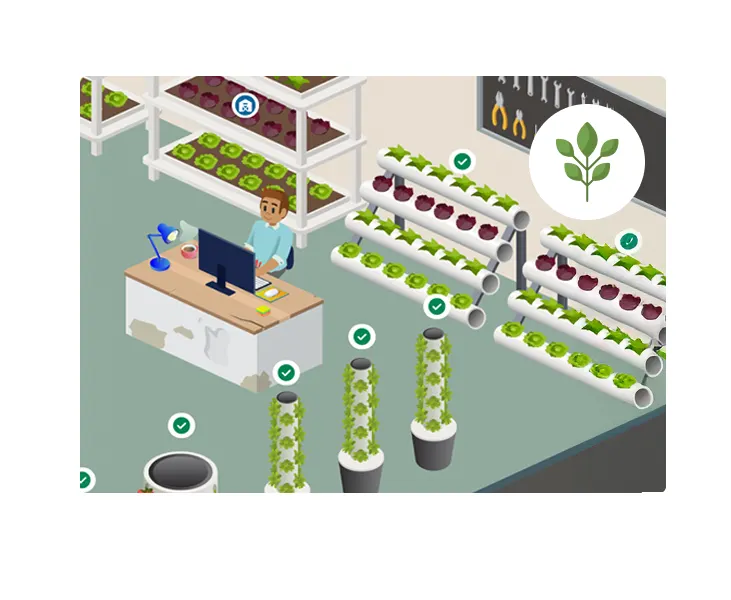
Startup Wars simulation workspaces used in college business classrooms

Trusted by educators

Created by experts. Proven in classrooms.

Startup Wars is used by high schools, colleges, and entrepreneurship programs to make business education practical and memorable.

“Startup Wars is the most aligned with what real-world entry into entrepreneurship is like. The content is robust and works for all audiences, and it’s fun.”

John H. Wilson, PhD
Teaching Professor, Drexel University

“The simulation challenges students, makes learning more varied, and gives them opportunities to think differently, make tough decisions, and become more confident.”

Alima Dostiyarova
Assistant Professor, KBTU University

Frequently asked questions

Questions educators ask before choosing Startup Wars

Explore 30 concise answers about entrepreneurship-first simulations, classroom fit, student learning, technology, accessibility, pricing, and getting started.

About Startup Wars7 common questions
What is Startup Wars?

Startup Wars is an entrepreneurship-first business simulation platform for high school, CTE, college, and university educators. Students launch and operate an industry-themed startup, make realistic business decisions, and learn from the consequences in a guided, risk-free environment.

What makes Startup Wars different from other business simulations?

Startup Wars is designed around entrepreneurship rather than general business management alone. Students build and grow startups in recognizable industries, while instructors receive editable learning materials, quizzes, grading tools, Student View, reusable course sections, and browser-based delivery. It is best suited to educators who want startup decision-making and engagement at the center of the course.

Why is Startup Wars described as entrepreneurship-first?

Every Startup Wars scenario puts students in the founder’s role. They practice identifying customers, setting prices, managing money and inventory, hiring, marketing, responding to risk, and choosing how to grow. General business concepts remain important, but they are taught through the decisions involved in launching and operating a startup.

Who is Startup Wars built for?

Startup Wars is built for educators and programs that teach entrepreneurship through applied business decision-making. It supports high schools, CTE pathways, colleges, universities, community colleges, summer programs, incubators, and other instructor-led learning environments.

Is Startup Wars a game or an educational platform?

Startup Wars is an educational business simulation platform. It uses competition, interactive scenarios, and other game-based mechanics to support engagement, but the experience is organized around course objectives, instructor guidance, assessment, reflection, and practical entrepreneurship skills.

What is a business simulation?

A business simulation is experiential learning software that lets students make business decisions and observe the results in a safe environment. Some simulations use game-based mechanics, but their educational value comes from practicing tradeoffs, reviewing outcomes, reflecting on decisions, and connecting the experience to course concepts. Learn more in our business simulation guide.

How does Startup Wars compare with Capsim, Marketplace Simulations, and Virtonomics?

Startup Wars is best suited to educators who prioritize entrepreneurship, startup decision-making, recognizable industry scenarios, and instructor-ready curriculum. Capsim is broadly suited to cross-functional business acumen and assessment; Marketplace Simulations offers a wide higher-education business catalog and mature team competition; and Virtonomics emphasizes a deep, persistent multiplayer economy. Review the criteria and primary sources in our business simulation comparison.

Teaching with Business Simulations7 common questions
How do business simulations work in the classroom?

Students receive a virtual company and a series of decisions involving customers, pricing, marketing, inventory, hiring, budgeting, operations, and growth. Instructors connect those decisions to course concepts through lessons, discussion, assignments, reflection, and debriefing.

Can Startup Wars fit into an existing entrepreneurship course?

Yes. Startup Wars can supplement an existing entrepreneurship, business, marketing, finance, economics, CTE, or career-readiness course without requiring an instructor to rebuild the syllabus. Educators can use the included materials as provided or adapt editable content to their own sequence and learning objectives.

Can Startup Wars be used as a short project, unit, or capstone?

Yes. Startup Wars can support a short classroom project, a multi-week unit, a recurring course component, a capstone, or a longer semester experience. The best format depends on the learning objectives, simulation choice, available class time, and planned reflection or assessment.

How do instructors grade Startup Wars simulations?

Instructors can combine built-in quizzes and grading support with simulation progress, decision history, written reflection, presentations, participation, or an instructor-led debrief. A strong rubric evaluates the reasoning behind decisions and the student’s ability to learn from outcomes—not profit alone.

Can Startup Wars support more authentic assessment and academic integrity?

A simulation cannot prevent every form of cheating, but Startup Wars can support more authentic assessment because students must make connected decisions, explain tradeoffs, respond to changing outcomes, and reflect on their own strategy. Instructors can strengthen academic integrity by grading decision rationale, reflection, and debriefing rather than relying only on a final score.

Can Startup Wars save instructors time?

Startup Wars provides the simulation environment, startup scenarios, editable learning materials, readings, quizzes, grading support, Demo Class, Student View, and reusable course sections. These tools can reduce the work of building and administering an experiential business project from scratch while leaving instructors in control of teaching and discussion.

Are business simulations effective for students?

Business simulations can be effective when decision-making is paired with clear learning objectives, feedback, reflection, and instructor-led debriefing. They help students apply abstract concepts, experience consequences, and explain how they would adjust their strategy. Review Startup Wars recognition, documented university use, and claim methodology in our evidence center.

Student Experience and Outcomes4 common questions
What skills do students practice with Startup Wars?

Students practice entrepreneurship, financial literacy, pricing, budgeting, inventory management, marketing, customer analysis, hiring, operations, planning, risk management, and growth strategy. They also develop critical thinking, adaptability, communication, and the ability to explain decisions and learn from results.

What makes Startup Wars engaging for students?

Students take responsibility for a recognizable startup, make decisions that affect its performance, and see the consequences of those decisions. Industry-themed scenarios, choice, competition, immediate feedback, and opportunities to revise strategy support engagement while keeping the experience tied to learning objectives.

How do students learn from failure in Startup Wars?

When a decision produces an unfavorable result, students can review what happened, identify the tradeoffs, explain their reasoning, and adjust their next decision. This turns failure into evidence for reflection and helps students understand that entrepreneurship involves testing, learning, and adapting.

Does Startup Wars teach financial literacy?

Yes. Students practice financial literacy through decisions involving pricing, revenue, expenses, budgeting, cash flow, inventory, hiring, risk, and growth. They see how financial decisions constrain or enable what their virtual company can do next.

High School, CTE, and Higher Education4 common questions
How does Startup Wars support high-school and CTE entrepreneurship?

Startup Wars gives high-school and CTE programs a practical way to connect entrepreneurship standards and career-readiness concepts to business judgment. Students apply pricing, marketing, finance, operations, and management concepts while running a simulated startup. Explore business simulations for high schools and CTE.

Is Startup Wars appropriate for students without business experience?

Yes. Students do not need prior business or entrepreneurship experience. Instructors can introduce the experience with the included learning materials, Demo Class, guided lessons, and reflection, then select the scenario and course structure that match the students’ readiness level.

How can colleges and universities use Startup Wars?

Colleges and universities can use Startup Wars in entrepreneurship, innovation, introductory business, management, marketing, finance, capstone, incubator, and experiential-learning programs. The platform gives students a shared startup experience they can analyze alongside course theory. Explore business simulations for colleges and universities.

Can Startup Wars support introductory business and capstone courses?

Yes. In introductory courses, Startup Wars helps students see how pricing, marketing, finance, hiring, inventory, and operations interact. In a capstone, instructors can place greater emphasis on strategy, evidence, reflection, presentations, and explaining how decisions affected the company over time.

Technology, Accessibility, and AI4 common questions
What technology do students need to use Startup Wars?

Startup Wars is browser-based, so students need a supported modern browser, a stable internet connection, and an account provided through their course or institution. No classroom software installation is required. Schools should test the exact devices, networks, and accessibility workflows they plan to use before deployment.

Does Startup Wars integrate with learning management systems?

Startup Wars supports LMS-friendly workflows, including LTI capabilities on eligible plans. Integration availability and configuration can vary by plan and institutional requirements, so schools using Canvas, Blackboard, or another LMS should confirm the current setup with the Startup Wars team before purchasing.

Does Startup Wars support accessibility?

Startup Wars has documented accessibility work across the instructor portal, student portal, and simulation interface. Current documentation reports partial support for WCAG 2.1 Level A and AA, with improvements continuing. Institutions should review the latest VPAT and accessibility information and test required workflows.

What is Milton AI in Startup Wars?

Milton is an optional AI entrepreneurship coach that helps students think through decisions and business tradeoffs during active simulations. It supports the learning experience, but Startup Wars’ primary differentiation remains its entrepreneurship-first simulations and instructor-ready teaching workflow—not AI by itself.

Pricing and Getting Started4 common questions
How much does Startup Wars cost?

Startup Wars publishes per-student access plans for different course lengths and simulation needs. Schools, districts, universities, and larger programs can also request institutional pricing. Review the current plans on the Startup Wars pricing page.

Can educators try Startup Wars before purchasing?

Yes. Educators can request a complimentary demo account and guided demonstration to explore the student experience, instructor workflow, simulation catalog, pricing, accessibility, and course fit before selecting a plan. Request a Startup Wars demo.

Does Startup Wars offer institutional pricing?

Yes. Schools, districts, colleges, universities, and organizations can request a custom quote based on student volume, instructors, sections, implementation requirements, purchasing method, integrations, and support needs.

How do I get started with Startup Wars?

Start by identifying the course level, student count, schedule, learning objectives, simulation interests, assessment approach, and technical requirements. Then request a demo so the Startup Wars team can recommend an appropriate scenario, plan, and rollout structure.

Ready to turn learning into action?

Bring Startup Wars to your learners.

Schedule a free demo